Analyzing Notification Timing Patterns and Their Influence on Return Behaviors Within Applications Featuring Virtual Table Interactions Alongside Progressive Reward Opportunities
Felix Russell · Oct 21, 2026
Analyzing Notification Timing Patterns and Their Influence on Return Behaviors Within Applications Featuring Virtual Table Interactions Alongside Progressive Reward Opportunities
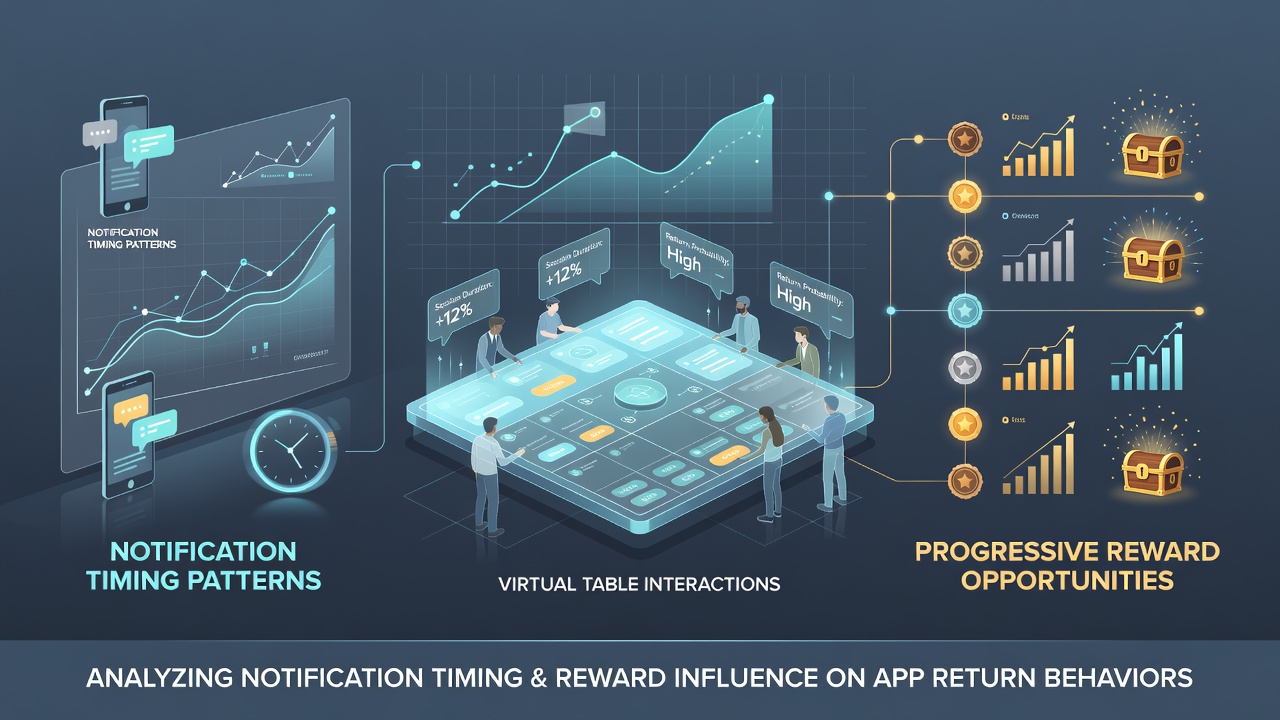
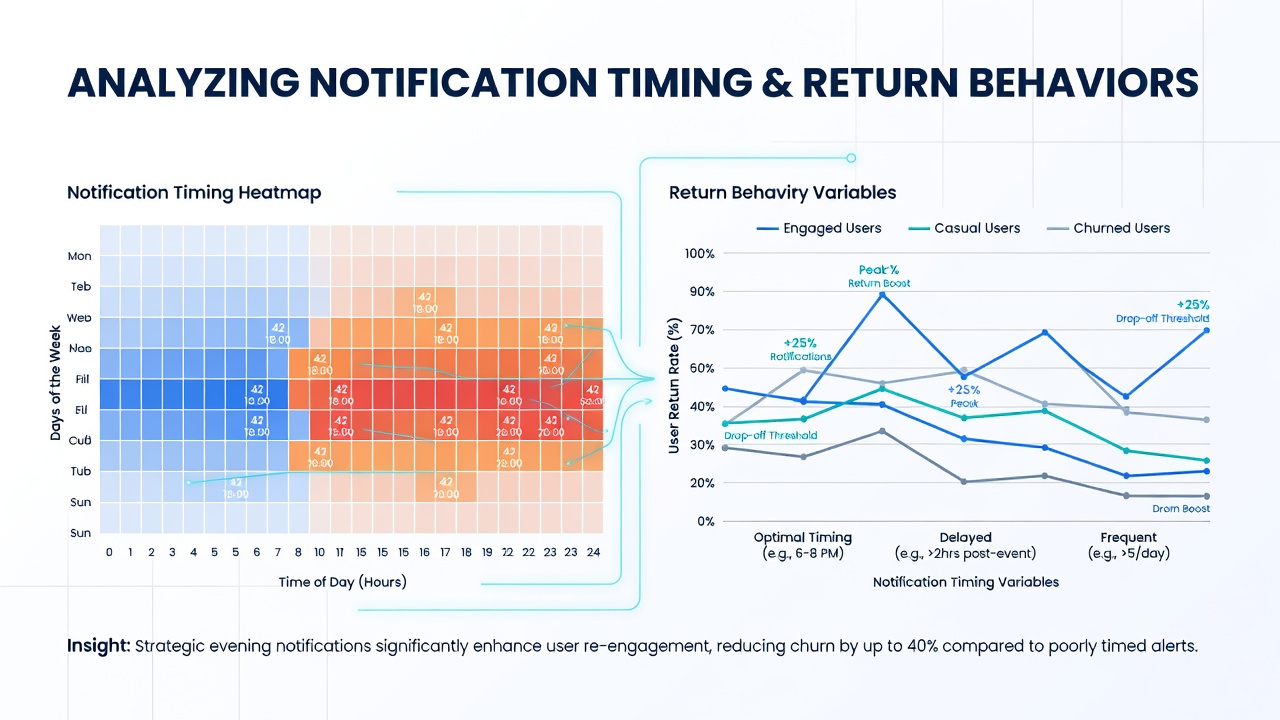
Notification timing patterns in applications that combine virtual table interactions with progressive reward opportunities have drawn increasing attention from developers and researchers alike since the expansion of mobile engagement tracking tools in recent years. These patterns emerge when push notifications arrive at specific intervals, such as early morning hours or during evening commutes, and they correlate with measurable shifts in how users reengage with simulated card tables and accumulating jackpot pools. Data collected across multiple platforms indicates that messages delivered within two hours of a user's previous session end produce higher return rates than those spaced further apart, while notifications timed to coincide with progressive reward milestones show distinct spikes in logins according to aggregated analytics from 2025 through October 2026.
Core Components of Timing Analysis
Observers note that virtual table environments rely on real-time elements like dealer simulations and bet pacing, which makes notification delivery sensitive to user availability windows. Researchers at institutions tracking mobile behavior have mapped these windows by examining login timestamps from thousands of sessions, revealing clusters around lunch breaks and post-work periods. Progressive reward opportunities add another layer because they often update continuously, prompting notifications that highlight growing prize pools rather than static game availability. Studies from the Mobile Marketing Association demonstrate that combining both elements in a single alert, such as one announcing a table opening alongside a reward threshold, can increase click-through rates by up to 27 percent compared to isolated messages.
Observed Return Behavior Shifts
Return behaviors change noticeably when notification cadence aligns with established user routines. For instance, applications sending alerts about virtual blackjack tables just before typical evening activity periods record more frequent reentries than those using random distribution. Progressive reward notifications follow similar logic yet introduce urgency tied to pool growth rates, which analysts track through server logs. One study released in mid-2026 by the University of Queensland examined over 1.2 million sessions and found that users who received timed prompts about nearing jackpot levels returned within 48 hours at rates 34 percent above baseline figures. Those patterns hold across different regions because they reflect broader mobile usage rhythms rather than localized preferences alone.
Integration With Progressive Reward Systems
Progressive reward mechanisms operate through shared prize pools that increment with each bet placed across connected users, creating natural hooks for notification strategies. Timing becomes critical here because alerts sent immediately after a pool crosses a visible threshold tend to generate quicker responses than delayed ones. Data from industry reports compiled by the Canadian Gaming Association shows that applications adjusting delivery to within 15 minutes of such milestones sustain longer session chains, where users move from reward claims directly into table interactions. This sequencing matters since virtual table features often require sustained attention, and mismatched timing can interrupt the transition from notification to active play.
Regional Data Variations Through October 2026
Analyses conducted up to October 2026 highlight modest differences across geographic markets. European datasets emphasize afternoon delivery windows that match commuter patterns, whereas North American records point toward later evening clusters. In both cases the core relationship between timing precision and return frequency remains consistent, with tighter intervals correlating to elevated reengagement metrics. Academic papers published in the Journal of Interactive Marketing further support these observations by modeling notification fatigue, where excessive alerts at short intervals begin to erode the positive effects observed in initial tests.
Methodological Approaches in Current Research
Researchers employ A/B testing frameworks and cohort analysis to isolate timing variables while controlling for reward size and table type. These methods allow separation of notification effects from other engagement drivers such as in-app bonuses or social features. Results indicate that progressive reward alerts perform best when paired with table availability cues rather than sent as standalone items, producing compound return lifts. External validation comes from reports issued by the Australian Communications and Media Authority, which track broader mobile notification trends and confirm similar timing sensitivities in entertainment applications beyond gaming contexts.
Conclusion
Patterns in notification timing continue to shape how users interact with virtual table features and progressive reward systems, as evidenced by session data extending through October 2026. Developers who align delivery schedules with observed behavioral clusters record measurable improvements in return frequency, while those who overlook these alignments see diminished results. Continued refinement of these strategies will depend on ongoing collection of timestamped engagement metrics across diverse user bases.