Device Compatibility Shifts and Their Effects on Engagement Patterns in Portable Jackpot Platforms
Felix Vogel · Oct 7, 2026
Device Compatibility Shifts and Their Effects on Engagement Patterns in Portable Jackpot Platforms
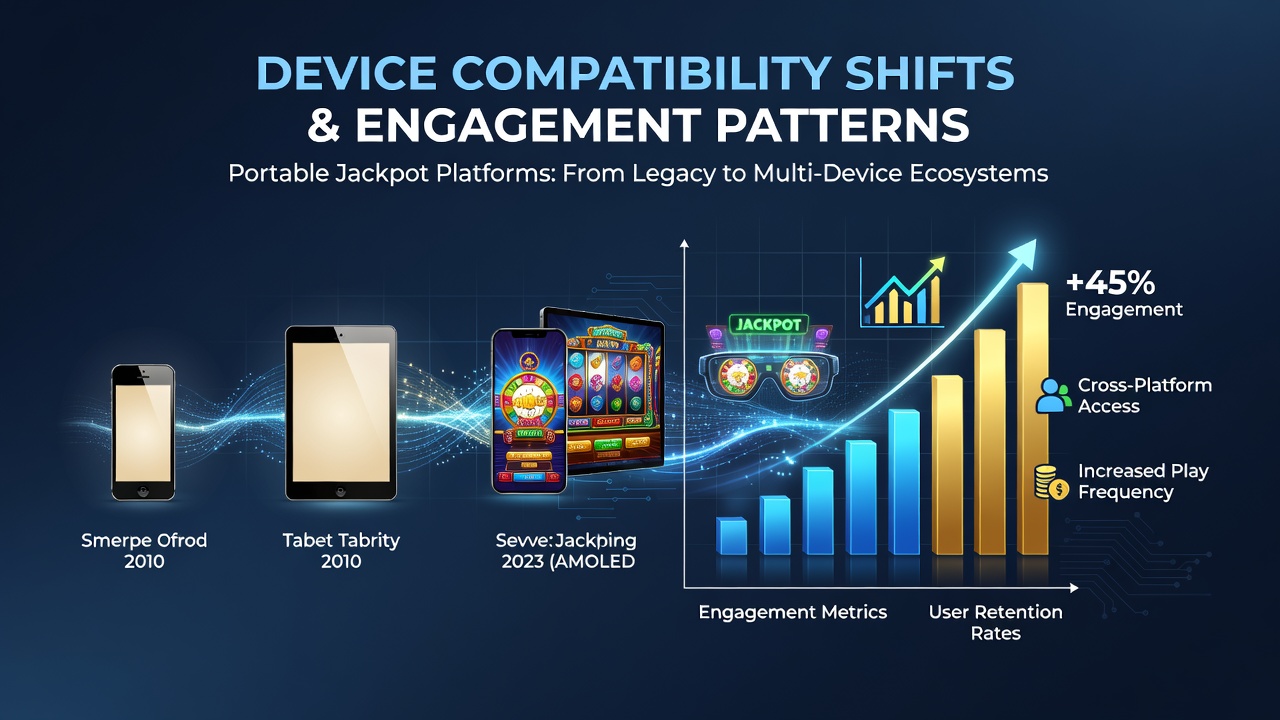
Device compatibility shifts occur when operating systems receive major updates or when new hardware enters widespread use, and these changes force portable jackpot platforms to adapt their software frameworks in order to maintain functionality across user bases. As of October 2026, recent releases of Android 17 and iOS 20 have introduced stricter security protocols alongside expanded support for variable refresh rate displays, which has required platform operators to revise rendering engines and input handling systems. Researchers tracking these transitions note that such updates often coincide with measurable changes in session durations and return visit frequencies among users who rely on older hardware.
Key Factors Driving Compatibility Adjustments
New device categories such as foldable smartphones and tablets with larger aspect ratios have expanded the range of screen dimensions that applications must accommodate, while 5G Advanced network capabilities have altered data transmission speeds and latency expectations. Platform developers respond by implementing responsive design elements and conditional asset loading routines that scale according to detected hardware profiles. Data from industry monitoring groups indicates that platforms failing to address these variables experience higher rates of application crashes and reduced completion of in-app transactions. Observers note that these technical adjustments directly correlate with shifts in how frequently users initiate and sustain play sessions across different geographic markets.
Observed Changes in User Engagement Metrics
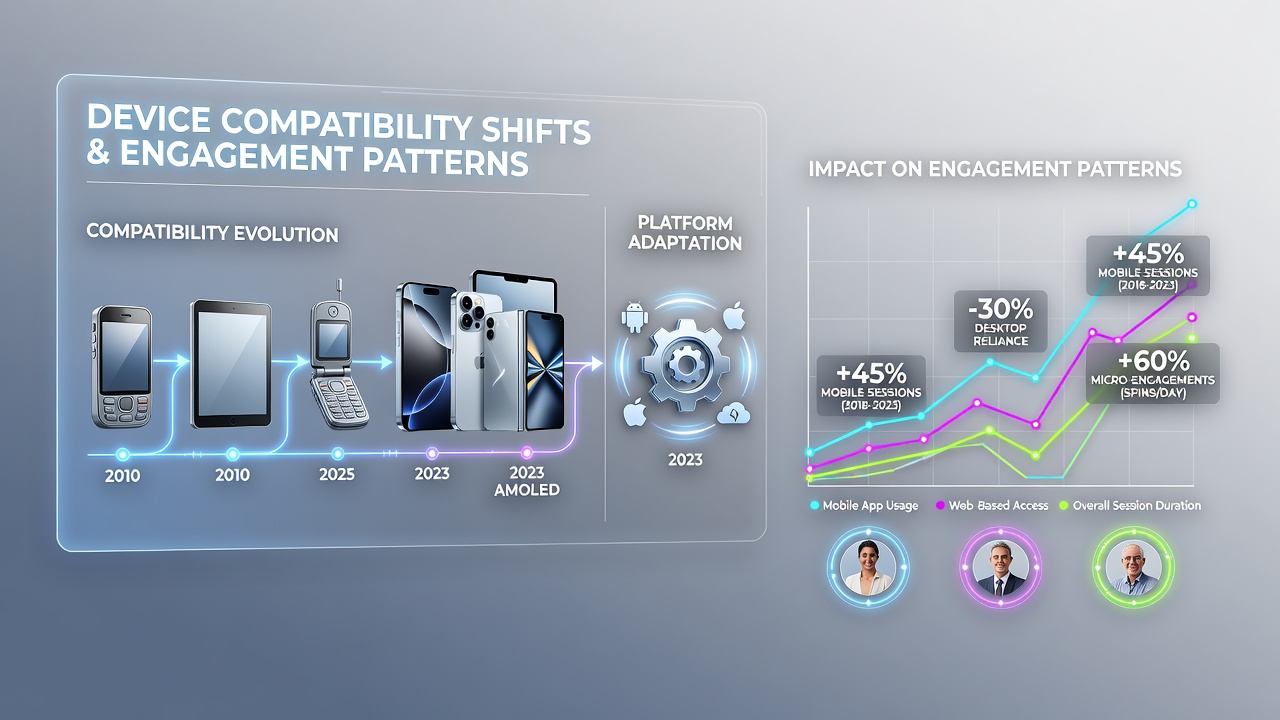
Engagement patterns evolve when compatibility updates roll out because users on recently supported devices gain access to smoother animations and faster jackpot animations, whereas those on legacy equipment encounter delayed loading or limited feature sets. Studies conducted throughout 2025 and into 2026 reveal that average session length on flagship devices increased by measurable percentages following optimization patches, while retention on mid-range models showed slower recovery curves. These differences emerge because visual fidelity and touch responsiveness vary significantly across hardware generations, and users tend to gravitate toward devices that deliver consistent performance during extended interactions. Figures released by regional gaming associations demonstrate that cross-device synchronization features, once stabilized, contribute to higher multi-session activity on a single account.
Regional Variations in Platform Adoption
Markets in North America and parts of Asia Pacific display distinct responses to compatibility updates compared with European regions, largely due to differences in device replacement cycles and carrier support timelines. In areas where users upgrade hardware more frequently, engagement metrics recover faster after each major software release, whereas slower adoption regions experience prolonged dips in daily active participation. Regulatory bodies such as the International Association of Gaming Regulators have compiled comparative reports that highlight these geographic disparities in platform stability and user retention following OS transitions. Platform operators therefore prioritize staggered rollout strategies that account for local device ecosystems and network infrastructure maturity levels.
Technical Responses and Their Timeline Effects
Development teams implement phased compatibility testing protocols that begin with beta device farms and progress through public release candidates, and this sequence determines how quickly engagement patterns stabilize after an update cycle. When testing reveals conflicts with specific chipset architectures or display drivers, temporary feature restrictions get applied until patches become available. Research institutions examining these processes have documented that platforms employing automated compatibility layers achieve quicker restoration of pre-update engagement levels than those relying on manual code revisions. The timing of these technical interventions influences whether users maintain consistent participation or migrate to alternative platforms during periods of reduced functionality.
Future Projections Based on Current Trends
Emerging hardware trends including advanced AI co-processors and enhanced biometric integration suggest that future compatibility requirements will extend beyond visual rendering to include real-time personalization engines. Projections based on 2026 adoption rates indicate that platforms maintaining broad device support will sustain steadier engagement curves across demographic segments. Industry reports compiled by organizations such as the Asia-Pacific Gaming Federation emphasize the importance of forward-compatible architecture decisions in preserving long-term user activity patterns. Continued monitoring of hardware release schedules allows operators to anticipate compatibility pressures before they impact measurable engagement indicators.
Conclusion
Device compatibility shifts continue to reshape engagement patterns in portable jackpot platforms through direct influences on session quality, retention timing, and cross-device consistency. As hardware and software ecosystems evolve, platform responses determine the speed and completeness of recovery in user activity metrics. Data collected through October 2026 underscores the connection between timely technical adaptations and sustained participation across diverse device populations. Ongoing analysis of these dynamics provides operators with clearer pathways for maintaining stable engagement amid recurring compatibility challenges.