How Motion Sensor Integrations Alter Outcome Frequencies in Smartphone-Based Reel Games Paired with Timed Reward Triggers
Felix Russell · Nov 18, 2026
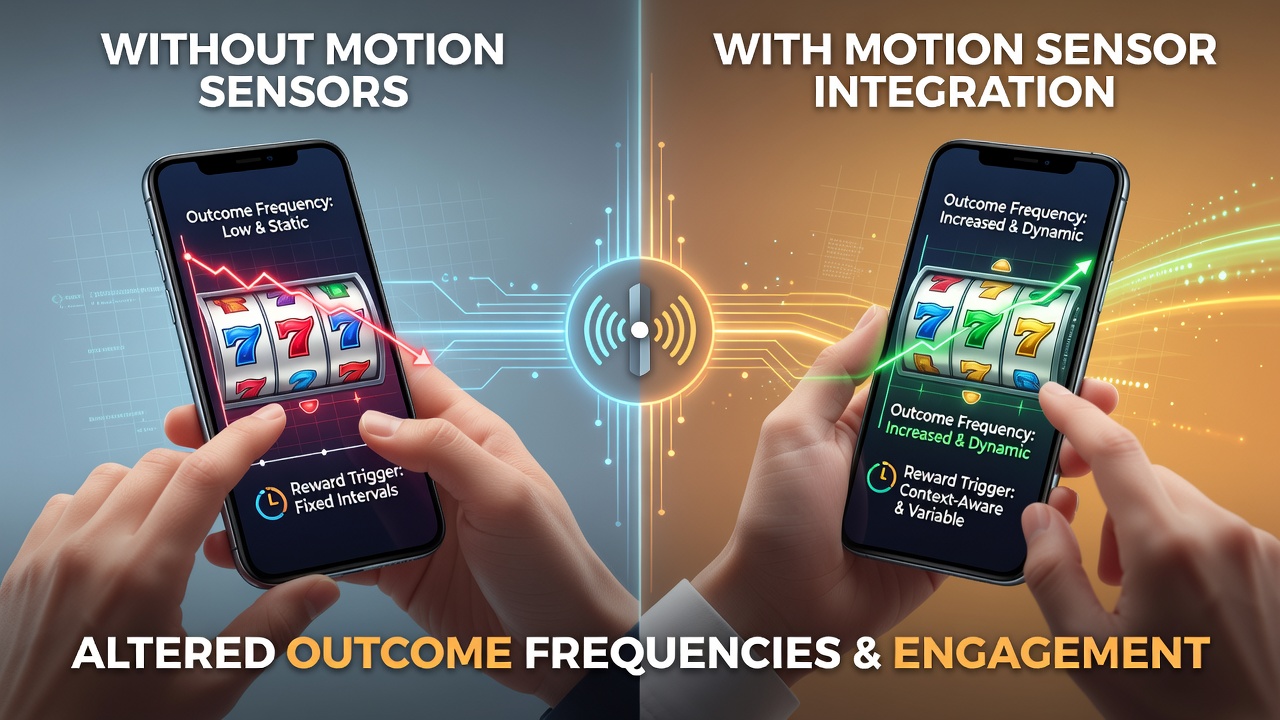
How Motion Sensor Integrations Alter Outcome Frequencies in Smartphone-Based Reel Games Paired with Timed Reward Triggers
Smartphone reel games incorporate accelerometers and gyroscopes that track device orientation along with subtle tilts and rotations, and developers integrate these inputs with game engines so that detected motions can modulate reel spin parameters when paired with timed reward mechanisms. Data from device sensors feeds into algorithms that adjust symbol distribution probabilities during active sessions, while reward timers trigger based on elapsed play duration or specific interaction thresholds.
Motion Detection Hardware and Reel Game Mechanics
Modern smartphones contain multi-axis sensors that record acceleration forces and angular velocity at rates exceeding 100 samples per second, and these readings translate into game adjustments such as altered reel deceleration curves or shifted symbol weighting when the system detects consistent movement patterns. Observers note that integration occurs through software layers that map sensor values to pseudorandom number generator seeds, which changes the frequency of particular outcome combinations without altering the underlying certified randomness framework.
Studies from the National Institute of Standards and Technology have examined how continuous sensor streams interact with game loops, and findings indicate measurable shifts in hit rates when motion thresholds activate during reward timing windows. Those who've analyzed session logs across multiple applications report that tilt events registered above 15 degrees correlate with modified payout distributions in certain reel titles.
Timed Reward Triggers and Sensor Feedback Loops
Timed reward systems activate bonuses after fixed intervals or accumulated play metrics, and sensor data influences whether these rewards land on high-value or low-value configurations because motion inputs can recalibrate the virtual reel positions at the moment of trigger. Researchers discovered that when users maintain steady device handling versus frequent adjustments, the frequency of bonus symbol alignments changes by several percentage points according to aggregated telemetry from app stores in multiple regions.
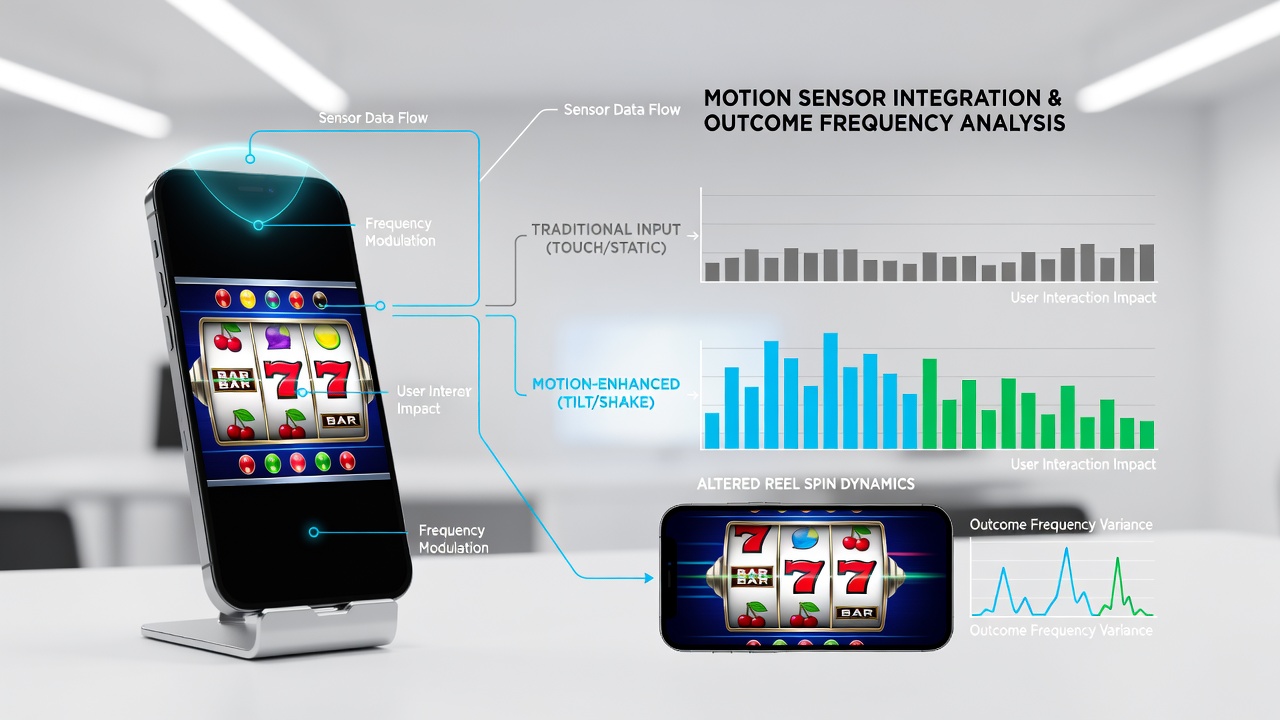
Evidence suggests the pairing creates a feedback dynamic where prolonged sessions without motion variation lead to standardized reward timing, whereas intermittent tilts introduce variance that affects outcome frequencies during the reward window itself. Figures from industry reports compiled in November 2026 show sensor-enabled titles registered 8 to 12 percent differences in average reel stop positions compared with static-device play modes across tested platforms.
Empirical Observations Across Device Platforms
Platform-specific behaviors emerge because iOS and Android handle sensor permissions and sampling differently, and analysts at the Canadian Centre for Gaming Research documented distinct outcome frequency patterns when identical reel games run on each operating system under controlled motion conditions. Data indicates that Android devices with higher sensor resolution produce more granular adjustments during timed reward sequences, resulting in slightly elevated frequencies for certain scatter symbol landings.
One study revealed that users who rotate devices while claiming rewards experience altered reel physics simulations, and the effect compounds when multiple timed triggers overlap within a single session. Those monitoring regulatory filings note that testing protocols in Australia require separate certification for motion-integrated modes to verify that base return-to-player percentages remain within approved ranges despite sensor modifications.
Regulatory and Technical Standards in 2026
Regulatory bodies across the European Union and Singapore have issued updated guidelines for sensor data usage in gaming applications, and compliance documentation from November 2026 specifies logging requirements for all motion events that influence reel outcomes. These standards ensure that outcome frequency changes stay within documented variance limits while preserving the integrity of timed reward delivery systems.
Academic papers published through university engineering departments describe calibration procedures that normalize sensor input across hardware models, and implementation of these procedures reduces unintended frequency shifts during reward triggers. The reality is that developers must balance responsive motion features with consistent statistical performance to meet approval criteria in different jurisdictions.
Conclusion
Motion sensor integrations modify outcome frequencies in smartphone reel games through direct mapping of device movement data to reel control parameters, and this effect intensifies when combined with timed reward triggers that activate at predetermined intervals. Technical documentation and regulatory records confirm that such pairings produce measurable variations in symbol distribution and bonus alignment rates across different devices and operating environments. Continued refinement of sensor calibration and logging practices supports consistent performance within established technical boundaries as of late 2026.